Tracing Community Insights to Refine Engagement Pathways in Cross-Device Interactive Entertainment Systems
Alex Simmons · Aug 31, 2026
Tracing Community Insights to Refine Engagement Pathways in Cross-Device Interactive Entertainment Systems
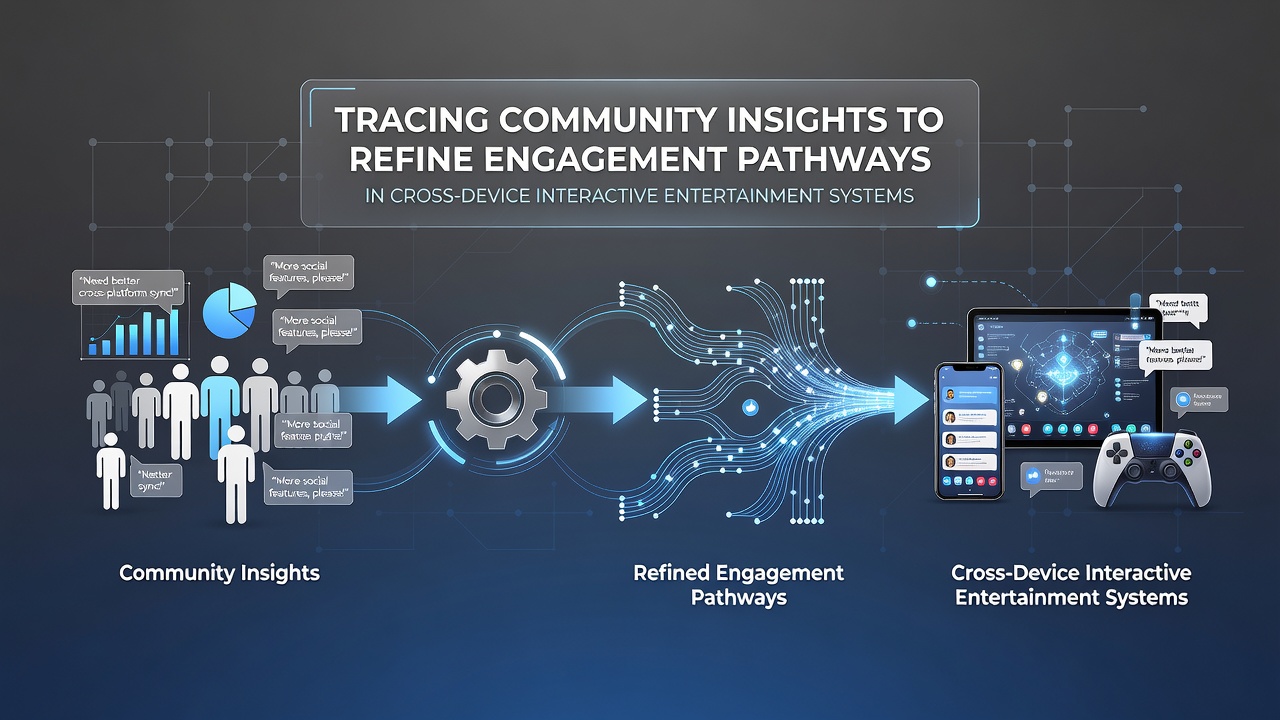
Community insights have become central to how developers adjust engagement pathways in cross-device interactive entertainment systems, where users shift between mobile phones, tablets, consoles, and personal computers during single sessions or extended play periods. Researchers at multiple institutions track patterns in player behavior, forum discussions, and in-app feedback to identify friction points that reduce session length or retention rates across platforms.
Data Sources Driving Pathway Adjustments
Analysts collect information from public discussion boards, social media threads, and anonymized telemetry that captures device switches during gameplay. According to reports from the Entertainment Software Association, cross-device titles accounted for a growing share of total playtime in 2025, with many users logging in from at least three separate hardware types each week. Teams combine these quantitative logs with qualitative comments to map where engagement drops occur, such as when a mobile session fails to resume smoothly on a home console.
Figures released in August 2026 by regional trade groups in North America and Europe showed that titles incorporating community-sourced refinements saw measurable lifts in average daily active users. Observers note that developers often prioritize fixes for input latency or progress synchronization because those issues surface repeatedly in player reports.
Cross-Device Synchronization Challenges
Interactive entertainment systems must maintain consistent state across hardware with different screen sizes, input methods, and processing power. When community members describe interruptions during device handoffs, engineers examine server-side data to locate mismatches in save states or asset loading sequences. Studies conducted by academic groups in Australia and Canada indicate that seamless transitions correlate with longer overall play sessions, while repeated disruptions lead users to abandon accounts after a handful of attempts.
One documented approach involves tagging specific device pairs that generate the highest volume of complaints, then routing targeted updates to those combinations first. This method allows smaller teams to allocate resources without overhauling entire codebases at once.
Feedback Loops and Iterative Refinement
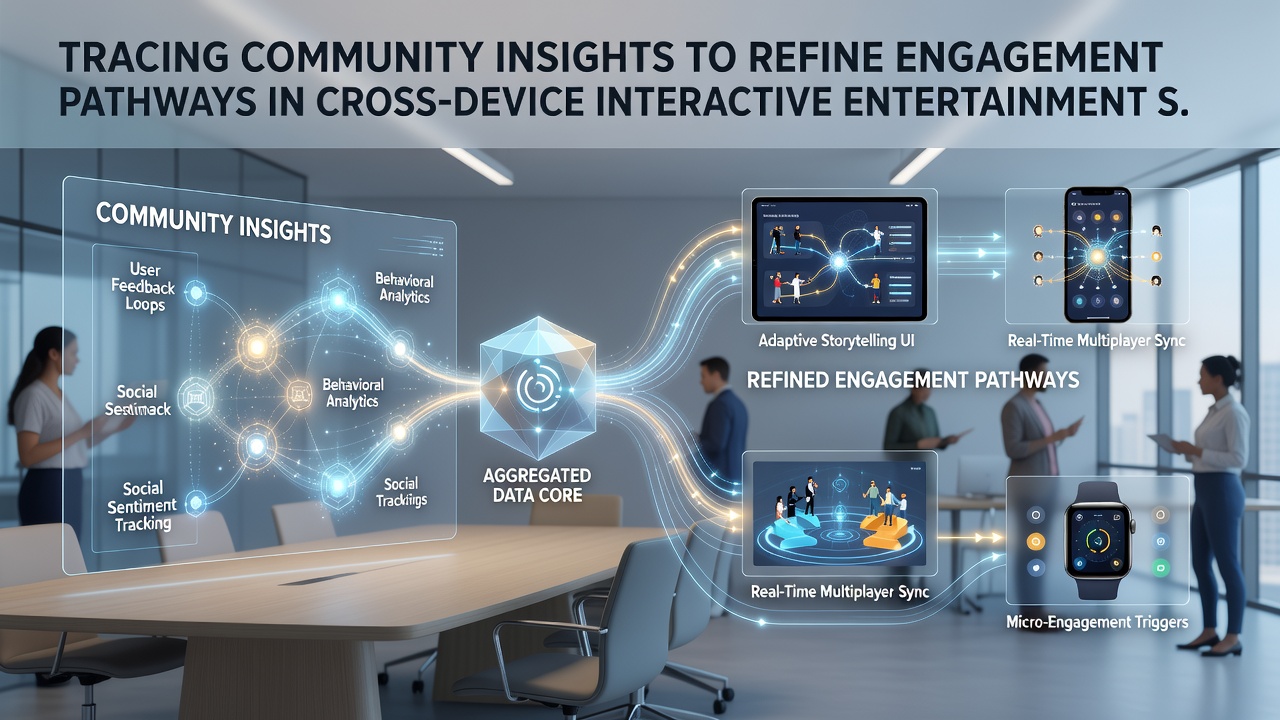
Developers establish structured channels for users to submit observations about navigation menus, reward timing, and social features that function differently depending on the device in use. Data from these channels feeds into prioritization meetings where product managers weigh volume of reports against measured impact on retention metrics. European gaming associations have published guidelines that recommend transparent communication back to communities once changes are deployed, which in turn encourages further participation in feedback programs.
What's interesting is how certain patterns emerge only when analysts segment feedback by geographic region and primary device. For instance, mobile-first users in one market may highlight battery drain during extended sessions, whereas console users in another region focus on controller mapping inconsistencies that appear after account migration.
Implementation Examples from Recent Titles
Several major releases in 2026 incorporated community-derived adjustments within weeks of launch. In one case, a multiplayer title adjusted matchmaking parameters after players reported extended wait times when switching from mobile to desktop clients. The update reduced average queue duration by aligning device-specific skill pools more precisely. Another project revised its notification system after users described alert fatigue on tablets, which differed from the frequency users experienced on phones.
Industry reports from the Interactive Games and Entertainment Association in Australia highlight that titles maintaining active community dialogue channels experienced steadier month-over-month retention compared with those relying solely on internal testing. These outcomes appear tied to faster identification of device-specific edge cases that automated monitoring sometimes misses.
Measurement of Engagement Pathway Effectiveness
Teams evaluate success through a combination of session duration, completion rates for core activities, and return frequency across device types. Research papers from university labs in the United States and United Kingdom emphasize the value of cohort analysis that follows the same user group through multiple hardware switches. Such studies reveal whether refinements actually close the gaps that community reports originally flagged.
August 2026 data releases from several trade organizations showed modest but consistent gains in cross-device completion metrics for projects that maintained ongoing dialogue with player communities. These gains occurred alongside broader industry shifts toward unified accounts and cloud-based progress storage.
Conclusion
Tracing community insights provides developers with actionable signals for refining engagement pathways in cross-device interactive entertainment systems. By integrating quantitative telemetry with qualitative reports, teams locate and address friction that appears only during real-world device transitions. Continued collection and analysis of these signals supports incremental improvements that align system behavior with observed user needs across regions and hardware configurations.