Mapping Player Progression Routes Through Integrated Reward Systems in Virtual Casino Landscapes
Olivia Beck · Oct 12, 2026
Mapping Player Progression Routes Through Integrated Reward Systems in Virtual Casino Landscapes
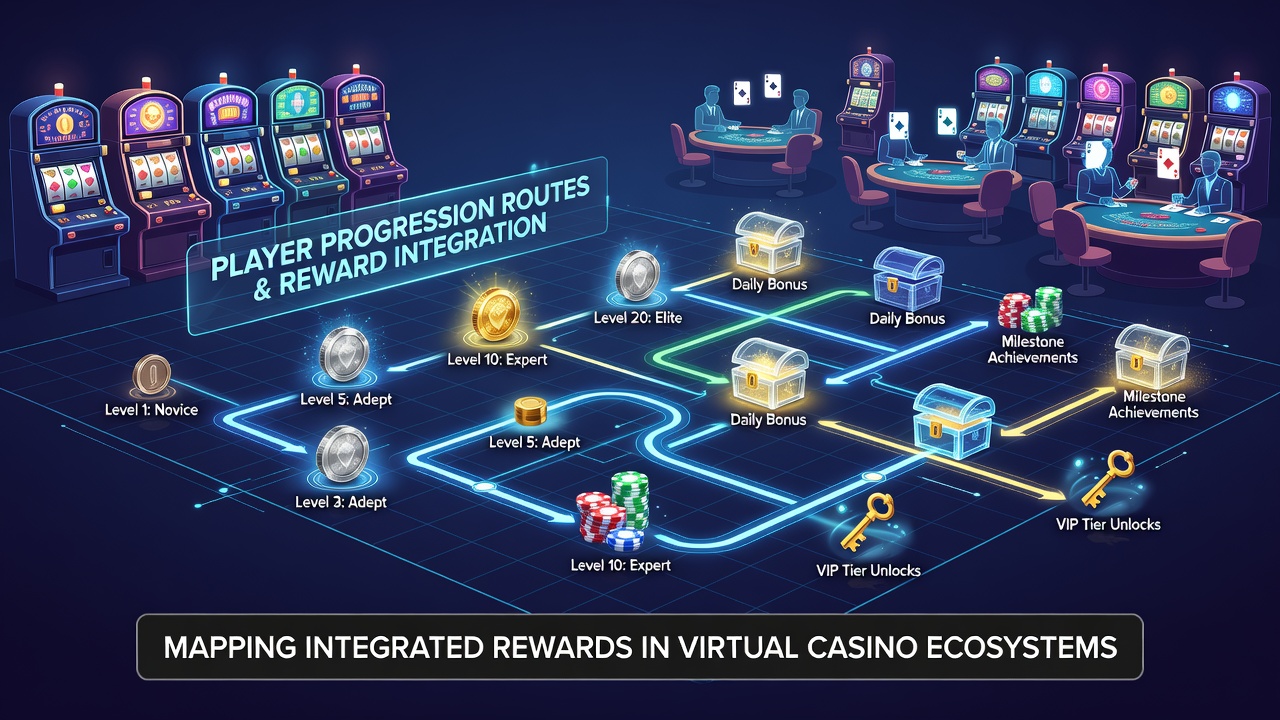
Virtual casino platforms track player activity through layered reward mechanisms that convert gameplay data into progression milestones, and these systems rely on algorithms to map individual routes across slots, table games, and live dealer environments. Operators collect metrics such as wager volume, session duration, and game variety, then feed the information into centralized loyalty engines that assign tier points and unlock benefits at predetermined thresholds. Data from October 2026 shows continued expansion of these integrated frameworks across mobile and desktop interfaces, with platforms adjusting progression curves to accommodate both high-volume players and those advancing through smaller, consistent activity patterns.
Core Components of Reward Integration
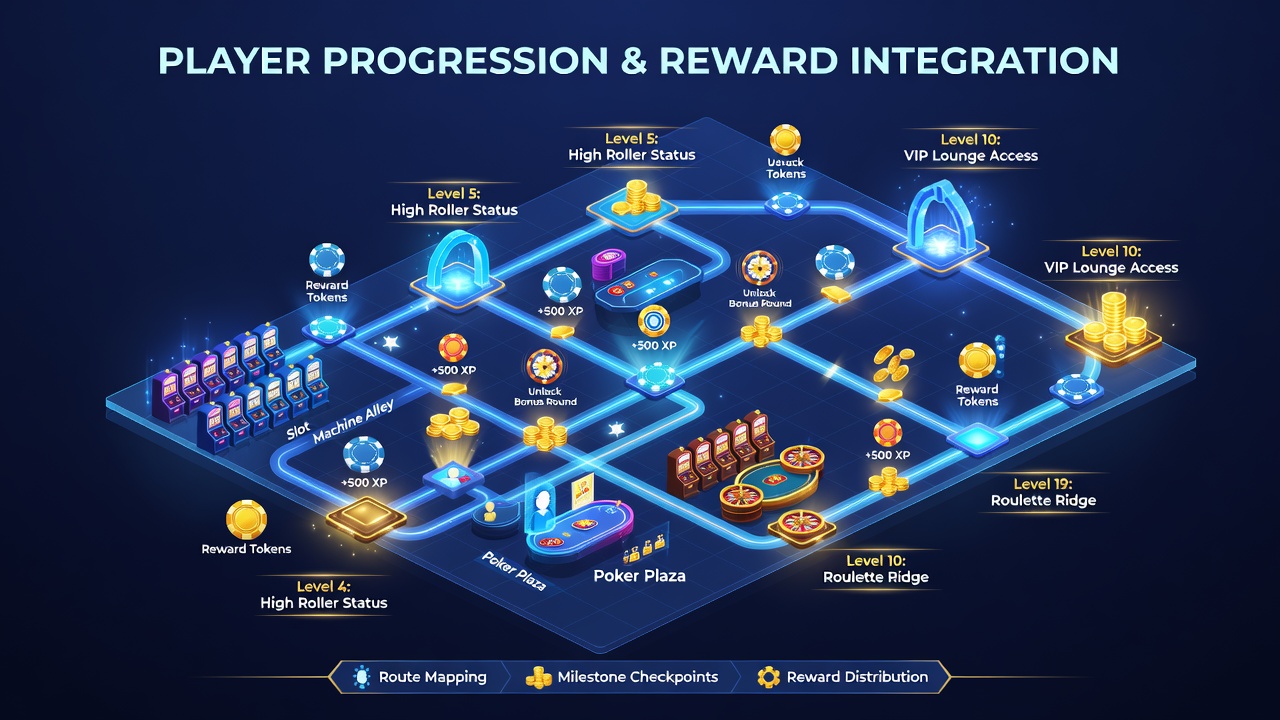
Integrated reward systems combine multiple data streams into single progression maps, where points earned from reel spins link directly to table game bonuses and live dealer achievements. Players accumulate base points through standard play while multipliers activate during promotional windows, accelerating movement between tiers that range from entry-level access to exclusive VIP lounges. These maps operate on backend databases that update in real time, allowing platforms to adjust reward availability based on aggregate player behavior across regions.
Researchers at academic institutions have examined how these pathways function, and one study from a European gaming research center highlighted the role of sequential triggers that unlock new reward layers once specific volume or frequency criteria are met. The same analysis noted that virtual environments enable finer granularity in mapping because every interaction registers instantly, creating detailed timelines of advancement that land-based venues cannot replicate at the same scale.
Analytics Driving Route Visualization
Platform operators deploy analytics tools to visualize progression routes, turning raw transaction logs into heat maps that reveal common advancement patterns. These visualizations identify bottlenecks where players stall between tiers and highlight successful sequences that lead to higher engagement. In October 2026 reports from industry monitoring groups, several major operators shared aggregated findings indicating that players who combine slot play with occasional table sessions progress faster than those focused on single categories.
Take one analyst who reviewed platform logs and discovered that reward chains involving instant cashback after losses often reroute players toward continued participation rather than abrupt exits. Such observations feed back into system design, where developers refine point allocation rules to smooth out progression curves and reduce drop-off at mid-tier levels.
Regional Regulatory Influences on System Design
Regulatory frameworks in different jurisdictions shape how reward systems map progression. The Nevada Gaming Control Board requires operators to maintain transparent records of how points convert into tangible benefits, ensuring maps remain auditable and free from arbitrary adjustments. Meanwhile, Australian state authorities have implemented reporting standards that track player movement through reward tiers to monitor responsible gaming indicators. These requirements compel platforms to build compliance checkpoints directly into progression logic, so advancement triggers include mandatory cooling-off prompts when certain thresholds are crossed.
Industry associations such as the European Gaming and Betting Association have published guidelines that encourage standardized data formats for progression tracking, allowing cross-platform comparisons while preserving operator-specific customization. Observers note that these standards help smaller platforms adopt proven mapping techniques without building everything from scratch.
Player Behavior Patterns in 2026 Data
Figures released in late 2026 indicate that mobile-first progression routes now dominate, with most tier advancements occurring through short, repeated sessions rather than extended desktop play. Reward systems integrate push notifications and in-app milestones to guide players along preferred paths, and data shows that platforms offering hybrid rewards—combining virtual currency with real-money equivalents—achieve higher completion rates across tier ladders. One case involved a platform that introduced cross-game point pooling, after which analysts recorded a measurable uptick in players exploring previously underutilized table game sections.
Payment method choices also influence route mapping, since deposit bonuses tied to specific processors can accelerate point accumulation. Platforms adjust these linkages seasonally, aligning promotions with regional events or holidays to steer progression toward targeted revenue segments.
Conclusion
Mapping player progression through integrated reward systems continues to evolve as virtual casino landscapes incorporate more granular data sources and regulatory oversight. The combination of real-time analytics, tier-based incentives, and cross-game linkages creates structured pathways that operators refine based on observed behavior. As platforms expand in October 2026 and beyond, these mapping techniques remain central to sustaining engagement while meeting compliance standards across multiple jurisdictions.